The most accurate sound ever engineered for venues
EDC Acoustics develops advanced loudspeaker and spatial audio technologies that give designers precise control over where sound goes, how it is perceived, and where it belongs.
Our systems make it possible to deliver clear, immersive, and spatially accurate sound — without exciting the room, disturbing adjacent spaces, or compromising the listener experience. Focused Precision.
Hear what happens when nothing else interferes.
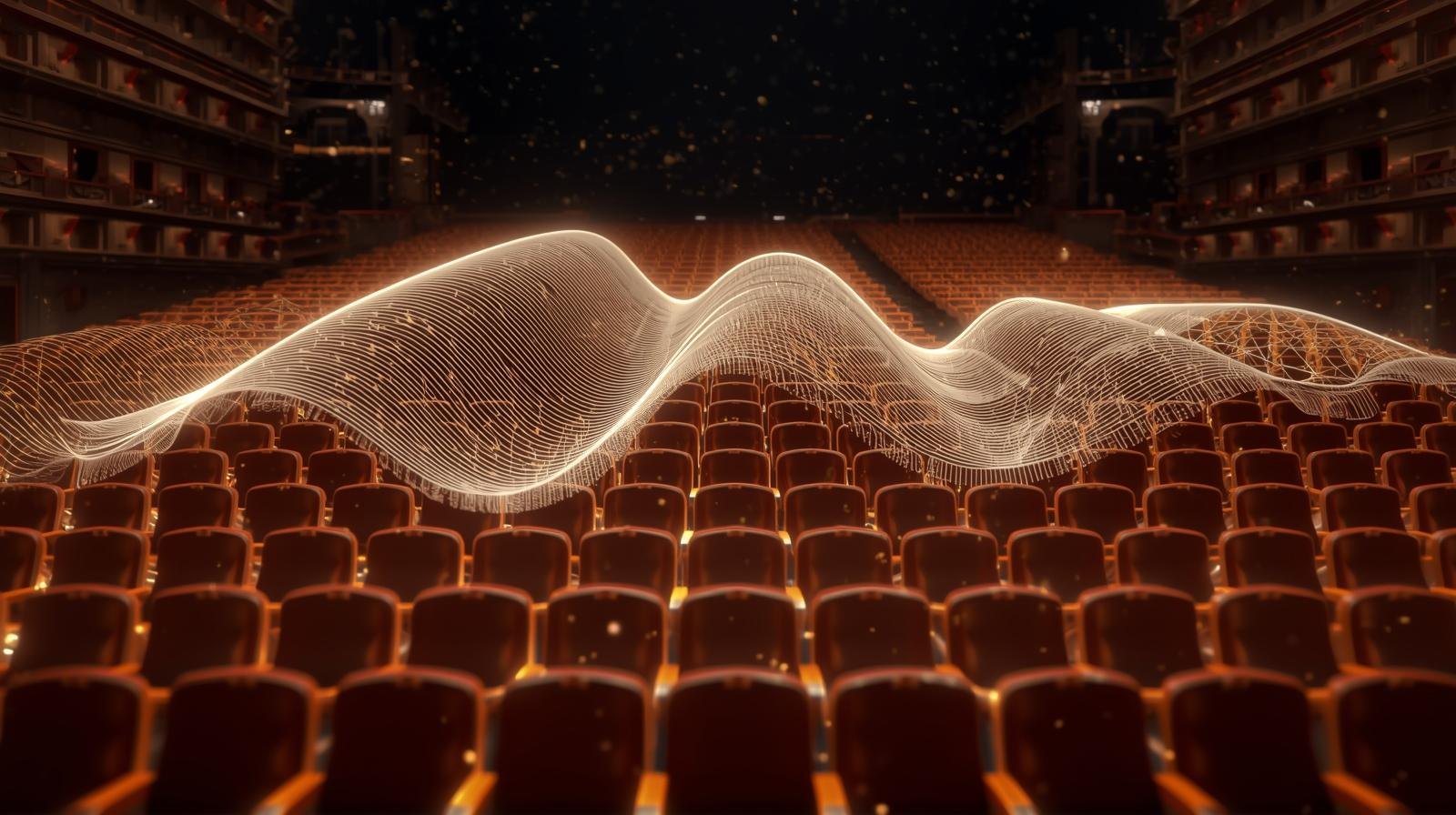
Sound, without excess.
In most venues, sound is broadcast broadly into the space and allowed to interact freely with architecture. Walls, ceilings, and reflective surfaces are excited before the sound reaches the audience. This produces reverberation, echoes, reduced intelligibility, and uncontrolled environmental noise spill.
EDC systems address this problem at the source. By focusing sound energy only where it is useful, unnecessary interaction with the room is reduced. Clarity improves. Reverberation is shortened. Noise spill is minimized. This is not a reduction in capability or impact. It is sound applied with intent.
Technology
Three technologies of control. One principle.
Sound should be controlled before it enters the space.
Controls where sound goes
3D Beamforming
The same level and tone for every seat — across the width, depth and height of the audience. Reduces noise spill and reflections.
How beamforming works →Controls how sound is perceived
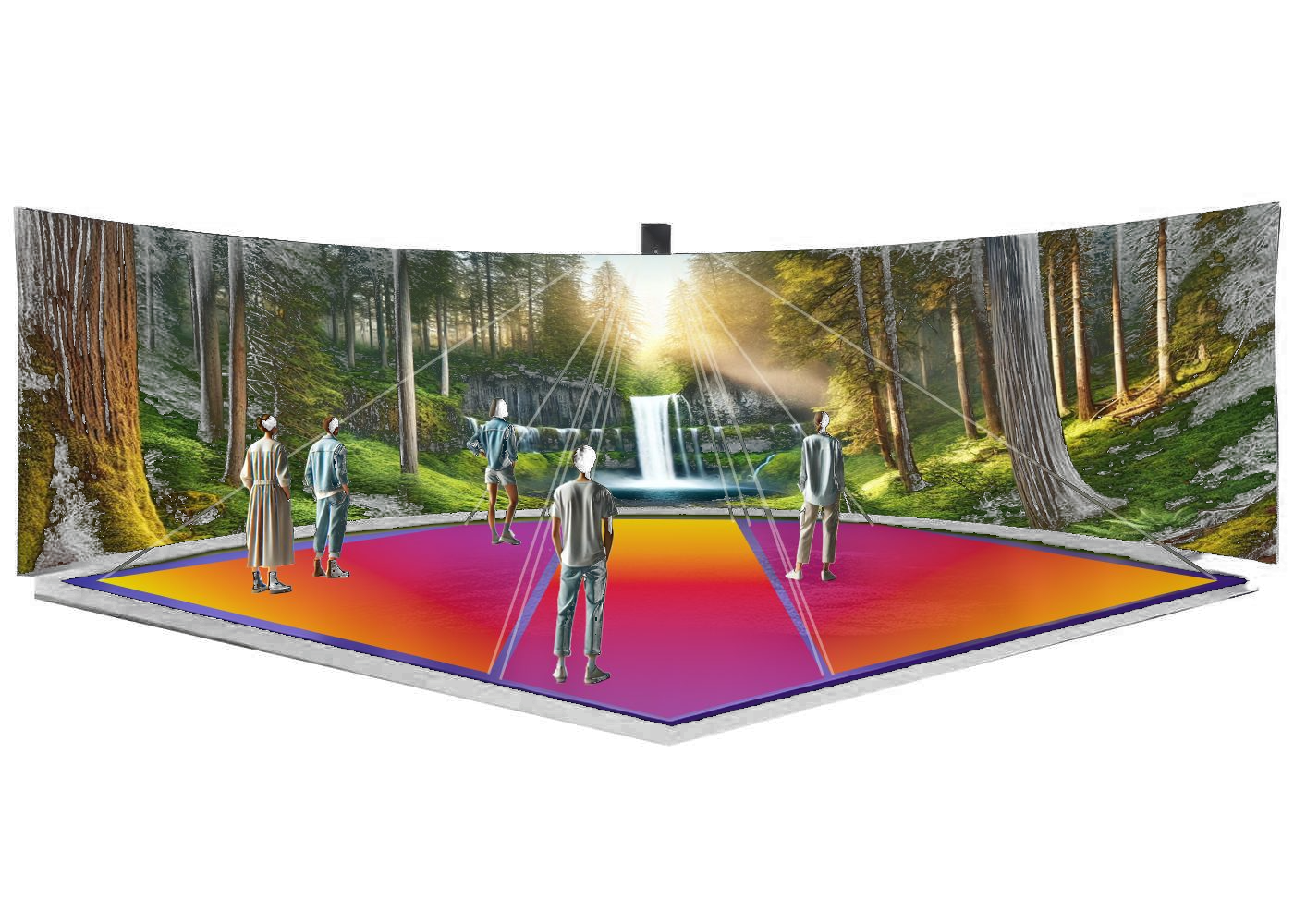
Volumetric Wavefield Synthesis
Sources inside the listening volume, so the spatial image holds true for every listener. Perfect localisation and hyper-realistic immersive experiences.
How volumetric sound works →
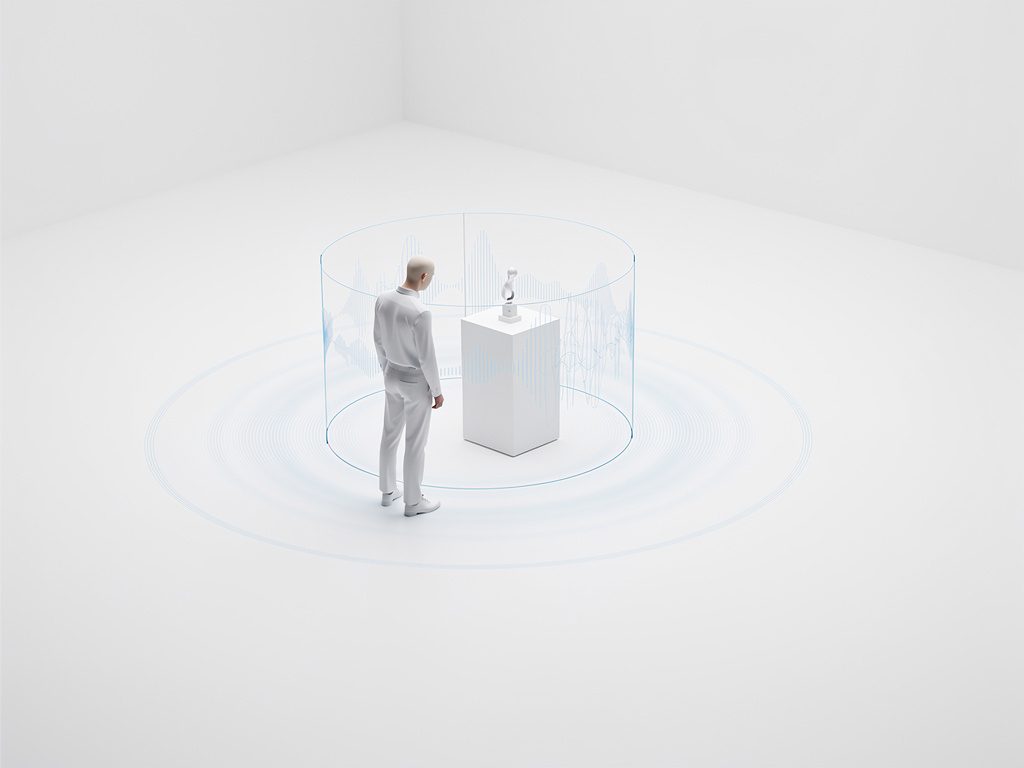
Controls where sound does not go · Launching 2027
Octoid & Quadoid radiation
Sound confined to a bounded region of space; everything around it untouched. Localised audio without the need for headphones.
How controlled radiation works →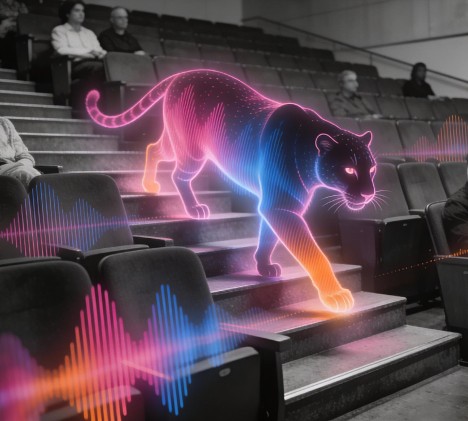
The same experience, everywhere
Hyper-realistic localization.
Conventional audio systems create a single ideal listening position. Outside that position, localization collapses and the experience changes.
EDC technologies remove the concept of a sweet spot. Every listener hears the same spatial image, with stable direction and depth.
Localization remains accurate regardless of where the listener is positioned.
Hardware
Three families. One standard of precision.
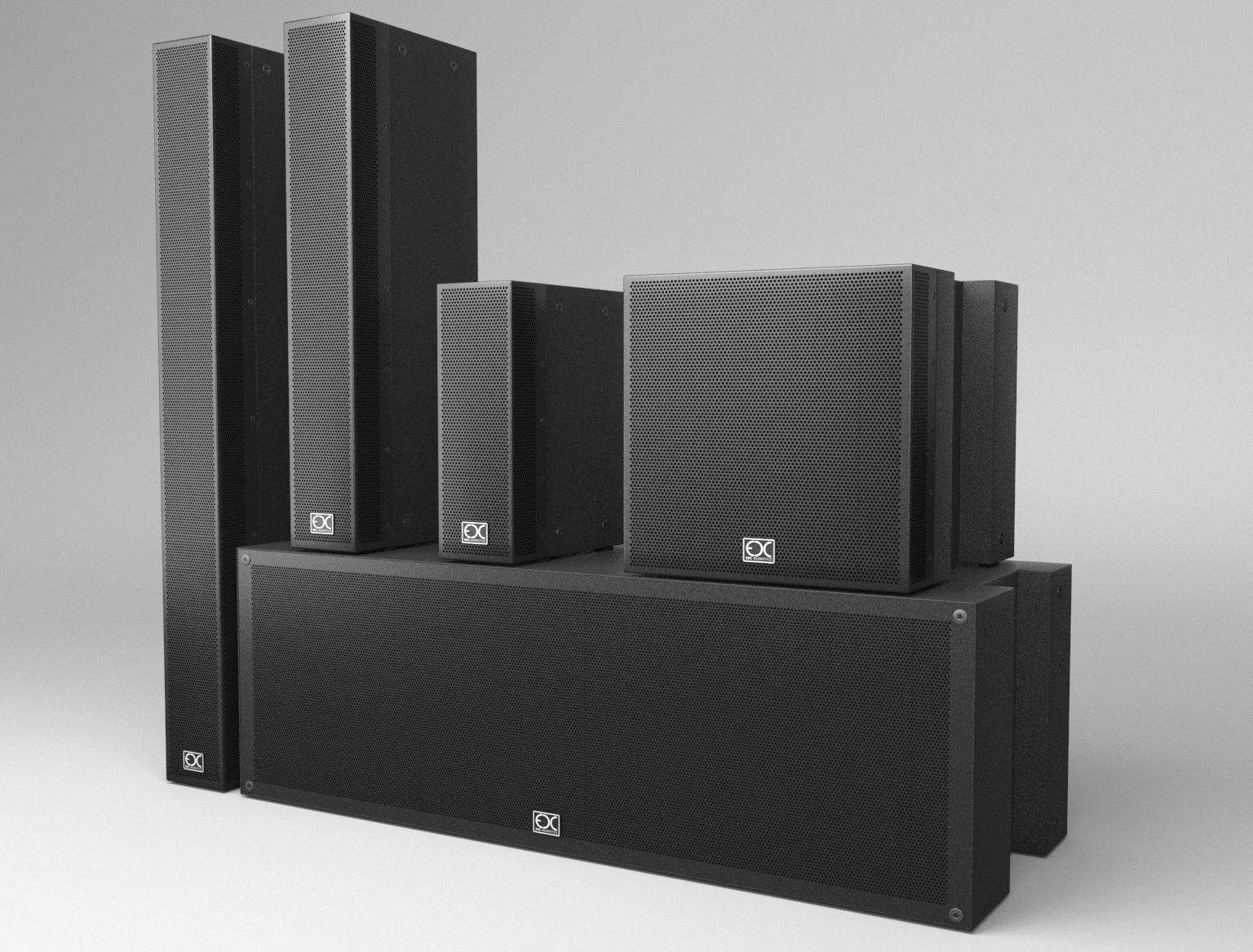
- 01Software-defined beamformingFor perfect coverage and consistency.
- 02Volumetric systemsFor immersion and precision.
- 03Octoid & QuadoidFor containment and localisation.
Software · Pro · Rapid · AR
Advanced software tools.
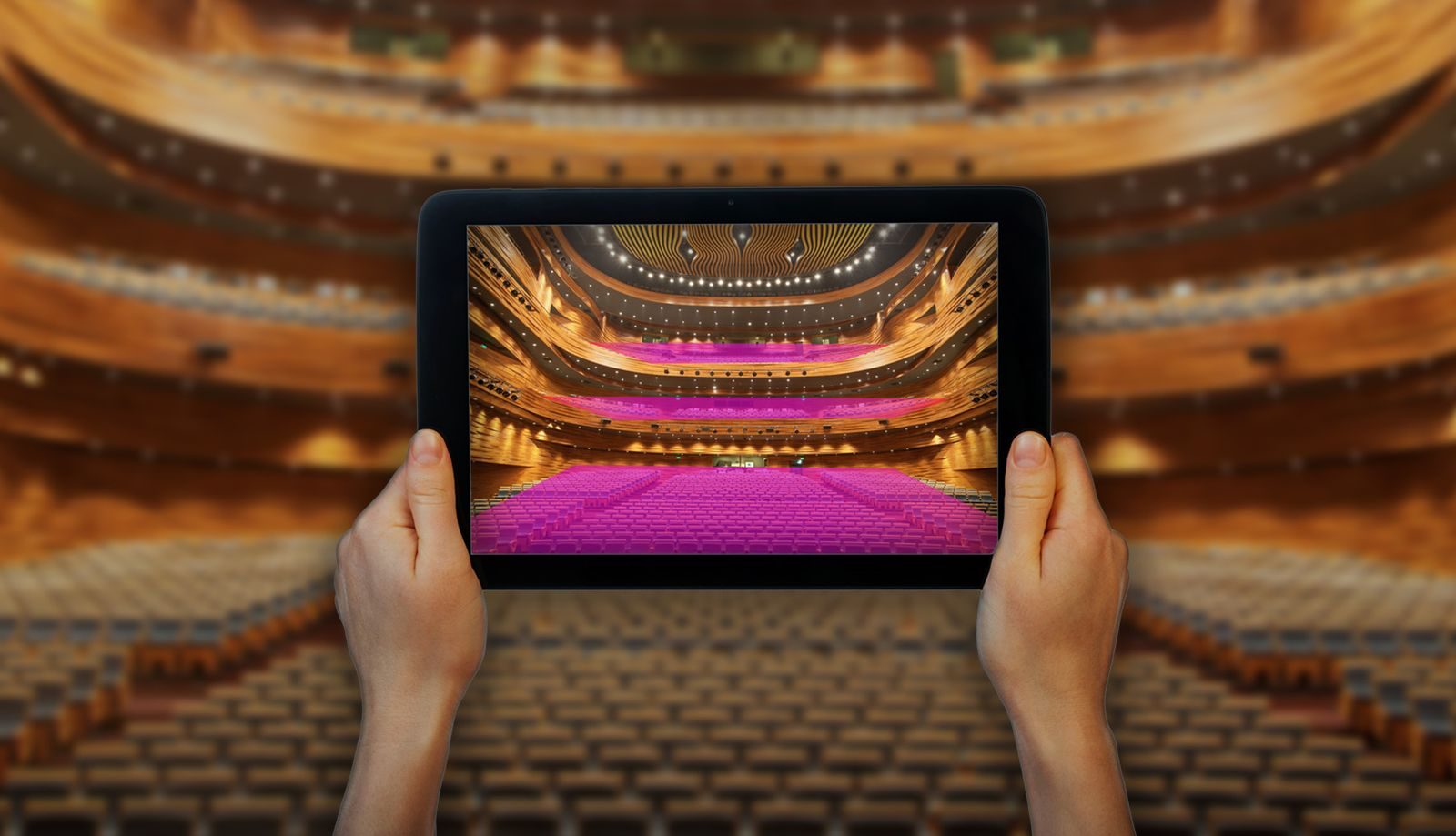
Precision requires predictability. EDC software allows sound behavior to be visualized before installation. Using augmented reality, designers and installers can see sound coverage directly within the physical environment.
Listener areas are defined in real space. Coverage, sound pressure levels, and frequency response are evaluated before hardware is deployed.
What is modeled is what is heard.
Pro, Rapid and AR →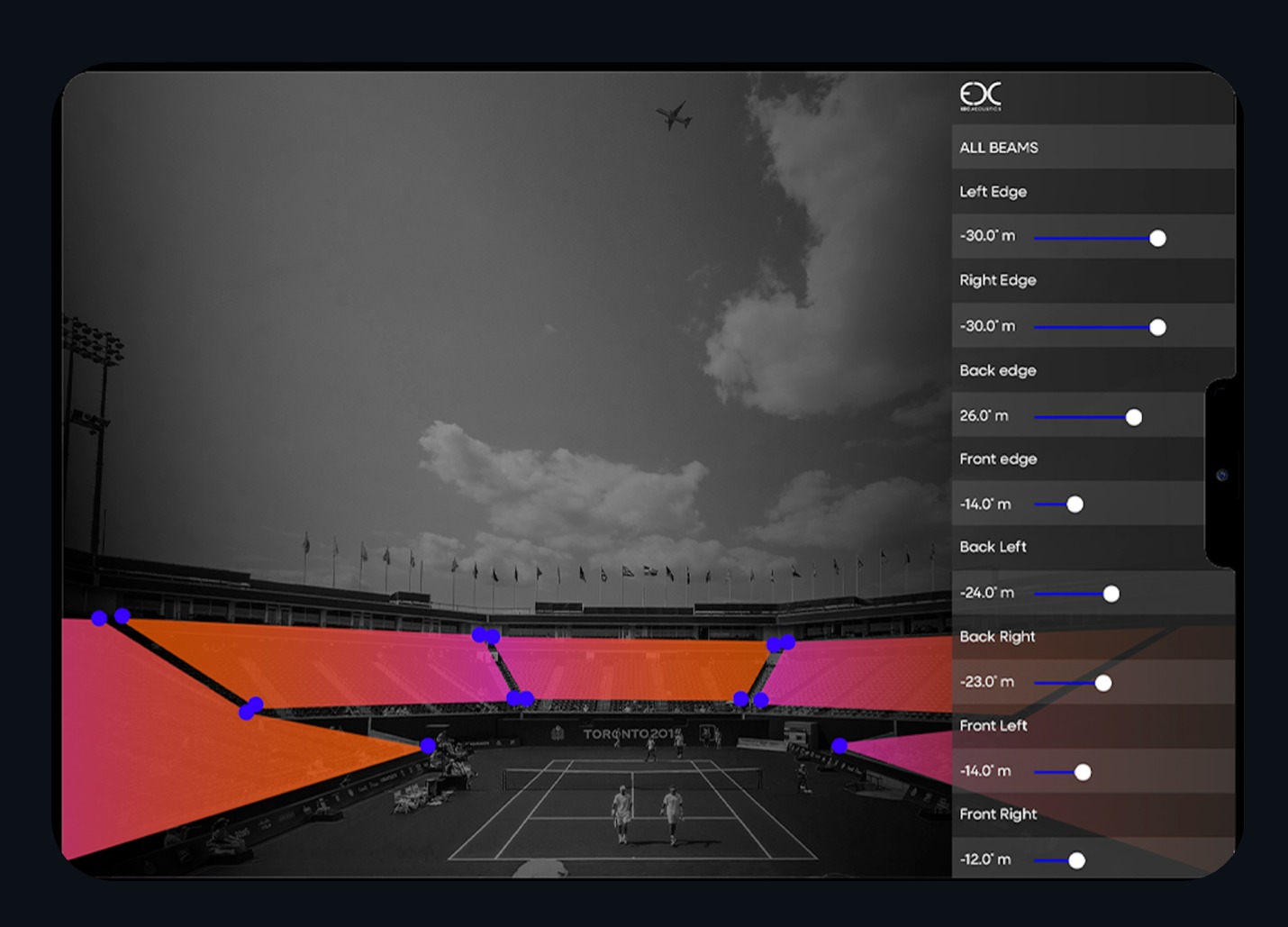
Focused Precision Installed
Independent recognition
EDC Acoustics technologies have been independently recognized by respected industry publications and professional organizations. These awards reflect the practical impact of our work in addressing long-standing challenges in sound control, spatial accuracy, and immersive audio. Recognition reinforces what real-world deployment has already demonstrated.